
Sukhi’s Chicken Tikka Masala: A Comprehensive Cooking Guide (12/12/2025)
Today, December 12th, 2025, embark on a culinary journey crafting bold, spiced, and deeply satisfying chicken tikka masala, a beloved dish inspired by Indian cuisine!
This guide explores variations, from classic recipes to vegetarian options like chickpea tikka masala, perfect with roti, naan, or rice, offering warmth during autumn.
Remember to sign out of existing Gmail accounts before creating new ones, and consider downloading photos for transfer to alternative Google accounts.
Whether logging in on a computer or mobile app, enjoy exploring flavorful twists and regional variations of this iconic dish, ensuring a restaurant-quality experience.
Understanding Chicken Tikka Masala’s Origins
Chicken Tikka Masala’s story is a fascinating blend of culinary adaptation and cultural exchange, not originating in India as many believe, but rather blossoming in the United Kingdom. It emerged as a creative response to the palates of British diners seeking milder, creamier Indian flavors. The dish’s roots lie in the traditional Tikka – marinated and grilled chicken – a staple of Indian cuisine.
However, the addition of a creamy, tomato-based Masala sauce, often incorporating yogurt and a blend of aromatic spices, represents a British innovation. This adaptation catered to a desire for less intensely spiced dishes, resulting in the globally recognized Chicken Tikka Masala we know today. It’s a testament to how cuisine evolves through interaction and adaptation.
Interestingly, Father George Kochuparambil, originally from Kerala, India, is sometimes credited with popularizing a version of the dish in Glasgow, Scotland, during the 1970s, further cementing its British connection. The dish’s popularity continues to grow, with countless variations and recipes available, showcasing its enduring appeal.
The Role of Tikka in Tikka Masala
The ‘Tikka’ component of Chicken Tikka Masala is fundamentally crucial, representing the foundation of flavor and texture. ‘Tikka’ refers to pieces of chicken that are marinated in a blend of yogurt and spices – traditionally including garam masala, ginger, garlic, and chili powder – before being cooked, typically grilled or roasted. This marination process isn’t merely about imparting flavor; it’s about tenderizing the chicken, ensuring a succulent and juicy result.
The grilling or baking of the Tikka imparts a characteristic smoky char, adding depth and complexity to the overall dish. Without properly prepared Tikka, the Masala sauce lacks the necessary textural and flavorful counterpoint. It’s the pre-cooking of the chicken that distinguishes Tikka Masala from other creamy tomato-based curries.
Essentially, the Tikka provides the protein element, infused with initial layers of spice, ready to be enveloped in the rich, aromatic Masala sauce, creating the harmonious balance that defines this beloved dish.
Sukhi’s Approach to Flavor Profiles
Sukhi’s philosophy centers on building layered flavor profiles, moving beyond simple spice application. She emphasizes the importance of understanding how each ingredient interacts, creating a symphony of taste. This isn’t about heat alone; it’s about achieving a balance between richness, tang, and aromatic complexity.
Sukhi prioritizes fresh ingredients whenever possible, believing they contribute significantly to the vibrancy of the dish. Her signature blend isn’t static; it’s adjusted based on the quality and seasonality of the spices. She skillfully employs techniques like blooming spices in oil to unlock their full potential.
Furthermore, Sukhi’s approach incorporates subtle nuances – the judicious use of Kasuri Methi (dried fenugreek leaves) for depth, and careful control over the tomato base, ensuring it’s neither too acidic nor overly sweet. This meticulous attention to detail elevates the dish beyond the ordinary.
Marination: The Foundation of Flavor
Sukhi firmly believes that marination is paramount, the cornerstone of a truly exceptional Chicken Tikka Masala. It’s not merely about adding flavor, but fundamentally altering the chicken’s texture, rendering it incredibly tender and receptive to spices. Her preferred method involves a generous coating of yogurt, acting as a natural tenderizer, breaking down proteins over time.
The marinade isn’t a quick process; Sukhi advocates for a minimum of four hours, ideally overnight, allowing the flavors to deeply penetrate the chicken. This extended period ensures a robust and evenly seasoned result. The spice blend, Sukhi’s signature mix, is thoroughly incorporated, creating a vibrant paste.
Proper marination guarantees that each bite delivers an explosion of flavor, setting the stage for the rich and creamy masala sauce to follow. It’s a crucial step often overlooked, but essential for achieving restaurant-quality results.
Yogurt’s Role in Tenderizing Chicken

Sukhi emphasizes yogurt’s pivotal role extending beyond simply adding moisture; it’s a natural tenderizer, crucial for achieving the melt-in-your-mouth texture characteristic of authentic Chicken Tikka Masala. The lactic acid within yogurt gently breaks down the protein fibers in the chicken, resulting in remarkable tenderness without compromising flavor.
She specifically recommends using full-fat, plain yogurt, avoiding sweetened or flavored varieties that could introduce unwanted tastes. The yogurt’s thickness also helps the spice blend adhere to the chicken, ensuring even coating and maximum flavor absorption during the marination process.
Sukhi notes that the longer the chicken marinates in yogurt, the more pronounced the tenderizing effect becomes, contributing significantly to the dish’s overall quality and succulence. It’s a simple yet transformative technique.
Spice Blend Breakdown: Sukhi’s Signature Mix
Sukhi’s renowned Chicken Tikka Masala hinges on a meticulously balanced spice blend, a closely guarded family secret refined over generations. While the exact proportions remain confidential, key components include garam masala, turmeric, cumin, coriander, and Kashmiri chili powder for vibrant color and moderate heat.
She stresses the importance of using freshly ground spices whenever possible, as pre-ground spices lose potency over time. A touch of smoked paprika adds depth, mimicking the char from traditional tandoor ovens. Sukhi also incorporates a pinch of cayenne pepper for an extra kick, adjustable to personal preference.
The blend isn’t merely about individual spices; it’s their harmonious interplay that creates the signature Sukhi flavor profile – warm, aromatic, and subtly complex. This careful balance is paramount.
Preparing the Chicken Tikka
Sukhi emphasizes that preparing the chicken tikka is a crucial step, laying the foundation for the dish’s exceptional flavor. Begin with boneless, skinless chicken thighs, cut into bite-sized pieces for optimal marination and tenderness. The chicken is then generously coated in Sukhi’s signature spice blend, ensuring every piece is thoroughly seasoned.
Following the spice application, a vibrant yogurt-based marinade is introduced, containing ginger-garlic paste and a squeeze of lemon juice. This marinade tenderizes the chicken while infusing it with aromatic flavors. Sukhi recommends a minimum marination time of four hours, ideally overnight, for maximum impact.
Proper preparation guarantees succulent, flavorful tikka, ready for grilling or baking, the next pivotal stage in crafting her celebrated Chicken Tikka Masala.
Grilling vs. Baking the Chicken Tikka
Sukhi acknowledges both grilling and baking yield delicious chicken tikka, but each method imparts a unique character. Grilling, favored for its intense heat, delivers a pronounced smoky char, enhancing the tikka’s depth of flavor. However, it requires attentive monitoring to prevent burning.
Baking offers a more controlled environment, ensuring even cooking and reducing the risk of charring. Sukhi suggests using a broiler for the final few minutes to achieve a desirable golden-brown color. The choice depends on available equipment and desired outcome.
Regardless of the method, Sukhi stresses the importance of not overcrowding the cooking surface, allowing each piece of chicken to develop a beautiful color and texture, essential for the final dish.
Achieving the Perfect Char
Sukhi emphasizes that the “perfect char” isn’t about burning, but about developing Maillard reaction – the chemical reaction between amino acids and reducing sugars that gives browned food its distinctive flavor. For grilling, maintain high heat and ensure the chicken isn’t overcrowded, allowing direct contact with the flames.
If baking, utilize the broiler during the final stages, closely monitoring to prevent scorching. A light, even char is the goal, imparting a smoky complexity to the tikka. Sukhi advises brushing the chicken with a little oil before charring to enhance browning.
Remember, the char contributes significantly to the overall flavor profile, adding depth and a delightful textural contrast to the creamy masala sauce. It’s a hallmark of authentic tikka!
Crafting the Masala Sauce
Sukhi’s masala sauce begins with a robust tomato base, offering a choice between fresh and canned tomatoes – quality is paramount. She recommends simmering the tomatoes to concentrate their sweetness and reduce acidity. Next, a crucial step: building the spice blend, Sukhi’s signature mix is a closely guarded secret, but includes core elements like turmeric, cumin, coriander, and chili powder.
The sauce’s richness is achieved through a delicate balance of cream and yogurt, carefully incorporated to avoid curdling. Sukhi stresses the importance of gentle heat and constant stirring during this process. A flavorful ginger-garlic paste is essential, forming the aromatic foundation.
Finally, a touch of Kasuri Methi (dried fenugreek leaves) adds an unparalleled depth and complexity, elevating the sauce to a truly exceptional level.
Tomato Base: Fresh vs. Canned
Sukhi believes the tomato base is the heart of a truly exceptional Tikka Masala. When choosing between fresh and canned tomatoes, she emphasizes that quality dictates the outcome. Ripe, in-season fresh tomatoes offer a brighter, more vibrant flavor, requiring peeling and seeding for optimal smoothness. However, Sukhi acknowledges the convenience of canned tomatoes.
High-quality canned crushed or puréed tomatoes provide consistent results year-round. She advises opting for San Marzano tomatoes, known for their sweetness and low acidity. Regardless of the choice, simmering the tomatoes is crucial. This process concentrates their natural sugars, mellows the acidity, and develops a richer, more complex flavor profile.
Sukhi suggests adding a pinch of sugar to canned tomatoes to further enhance their sweetness, mirroring the taste of fresh, sun-ripened fruit.
Cream and Yogurt: Balancing Richness and Tang
Sukhi masterfully balances richness and tang in her Tikka Masala through the strategic use of cream and yogurt. She explains that yogurt, particularly full-fat Greek yogurt, is essential for both marinating the chicken and contributing a subtle tang to the sauce. Its acidity tenderizes the chicken fibers, resulting in a remarkably succulent texture.
Cream, added towards the end of the cooking process, introduces a luxurious velvety texture and mellows the spice blend. Sukhi cautions against adding cream too early, as prolonged simmering can cause it to separate. She prefers heavy cream for its stability and richness, but half-and-half can be used for a lighter version.
The key is moderation; the goal is to complement, not overwhelm, the other flavors.
Spice Infusion Techniques for the Sauce
Sukhi emphasizes that building the sauce’s flavor profile is a layered process, demanding careful spice infusion techniques. She begins by blooming whole spices – cumin seeds, cardamom pods, and cinnamon sticks – in hot oil, releasing their aromatic oils. This initial step forms the foundation of the sauce’s complexity.
Ground spices, including turmeric, coriander, and chili powder, are then added, toasted briefly to enhance their fragrance. Sukhi advises against burning the spices, as this imparts a bitter taste. She incorporates a technique of “bhuna,” slowly cooking the spices in the oil until they release their color and aroma, creating a fragrant masala base.
Finally, Kasuri Methi (dried fenugreek leaves) is crushed and stirred in during the final stages, adding a unique depth and herbaceous note.
Ginger-Garlic Paste: A Flavor Essential
Sukhi considers freshly made ginger-garlic paste absolutely crucial, stating it’s the backbone of authentic flavor. She insists on using equal parts of both, typically a generous amount – around 2-3 tablespoons for a standard batch – to ensure a potent aromatic base.
The paste isn’t simply added directly to the sauce; Sukhi recommends sautéing it in oil until fragrant, allowing the raw edge to mellow and the flavors to meld. This process, she explains, unlocks the full potential of both ingredients, creating a savory foundation for the masala.
She cautions against using pre-made pastes, as they often lack the vibrancy and freshness of homemade. The quality of the ginger and garlic themselves is also paramount, favoring young, firm roots and bulbs.
Kasuri Methi (Dried Fenugreek Leaves): Adding Depth
Sukhi emphasizes that Kasuri Methi, or dried fenugreek leaves, is a secret weapon for achieving that authentic restaurant-style Tikka Masala flavor. It’s not merely a spice, but an aromatic that imparts a unique, slightly bitter, and wonderfully complex depth to the sauce.
She advises against adding it directly to the simmering sauce. Instead, Sukhi recommends crushing the leaves between your palms to release their fragrance, then stirring them in during the final stages of cooking – about 5-10 minutes before finishing.
This late addition preserves the delicate aroma. Using too much can overwhelm the dish, so Sukhi suggests starting with 1-2 teaspoons and adjusting to taste. It’s a subtle ingredient, but its impact is profound, elevating the masala to another level.
Combining Tikka and Masala
Sukhi’s technique for uniting the Tikka and Masala is a crucial step, ensuring the chicken absorbs the sauce’s rich flavors. Once the masala sauce has reached its desired consistency and spice level, gently add the grilled or baked chicken tikka pieces.
Avoid vigorous stirring, as this can break apart the tender chicken. Instead, Sukhi recommends a gentle folding motion, coating each piece evenly with the vibrant sauce. This allows the smoky char from the Tikka to meld beautifully with the creamy, spiced masala.
The goal is harmonious integration, not disintegration. This careful combination sets the stage for the final, flavor-developing simmer, promising a truly exceptional Chicken Tikka Masala experience.

Simmering for Flavor Development
Sukhi emphasizes that simmering is not merely heating; it’s a transformative process. After combining the Tikka and Masala, reduce the heat to low and allow the dish to gently simmer, uncovered, for at least 20-30 minutes. This extended, low-heat exposure allows the flavors to deeply meld and mature.
During simmering, the sauce will thicken further, and the chicken will become even more infused with the aromatic spices. Sukhi advises occasional, gentle stirring to prevent sticking, but avoids excessive agitation.
This patient simmering unlocks the full potential of the dish, creating a depth of flavor that distinguishes Sukhi’s Chicken Tikka Masala from simpler preparations. It’s a crucial step towards achieving a restaurant-quality result.
Adjusting Consistency and Spice Level
Sukhi believes personalization is key. After simmering, assess the sauce’s consistency. If too thick, gradually add a splash of warm water or chicken stock, stirring until the desired smoothness is achieved. Conversely, for a richer, denser sauce, continue simmering uncovered for a longer duration;
Spice levels are equally adaptable. Taste the Masala and, if a bolder flavor is desired, incorporate a pinch of cayenne pepper or a dash of chili powder. Sukhi cautions against adding spices directly; instead, bloom them briefly in a little ghee before incorporating them into the sauce.
Remember, gradual adjustments are best. A little spice goes a long way, and achieving the perfect balance is a matter of personal preference.
Garnishing and Serving Suggestions
Sukhi emphasizes the final presentation elevates the dining experience. A generous scattering of freshly chopped cilantro provides a vibrant color contrast and a refreshing counterpoint to the richness of the Masala. A swirl of single cream, delicately applied, adds a touch of elegance and further enhances the sauce’s texture.
Traditionally, Chicken Tikka Masala is served with fluffy basmati rice, allowing the sauce to beautifully coat each grain. Warm, freshly baked naan bread is essential for scooping up every last drop. A cooling raita, made with yogurt, cucumber, and mint, provides a welcome respite from the spice.
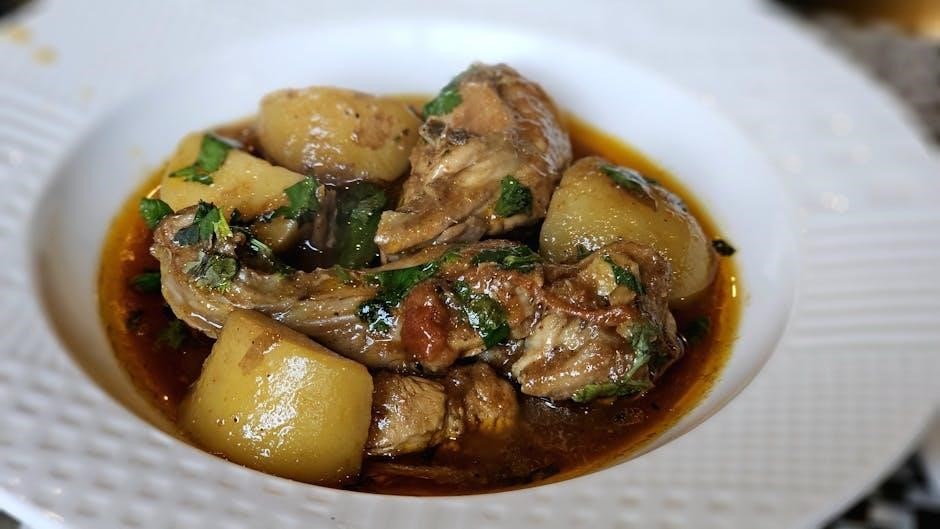
For a complete meal, consider a side of lightly spiced sautéed vegetables. Sukhi suggests a simple salad with a lemon-herb vinaigrette to cleanse the palate.
Fresh Cilantro: A Classic Touch
Sukhi firmly believes that fresh cilantro is non-negotiable when finishing Chicken Tikka Masala. Its bright, herbaceous notes cut through the richness of the sauce, providing a vital freshness that balances the dish. Don’t skimp – a generous handful, finely chopped, is key.
The cilantro should be added right before serving, preserving its vibrant green color and delicate flavor. Avoid cooking it, as heat diminishes its aromatic qualities. Sukhi recommends gently folding the cilantro into the sauce, ensuring it’s evenly distributed.
Beyond flavor, cilantro offers a visual appeal, adding a pop of color to the creamy orange hue of the Masala. It’s a classic garnish for a reason, elevating both the taste and presentation of this beloved dish.
Accompaniments: Rice, Naan, and Raita
Sukhi emphasizes that Chicken Tikka Masala isn’t complete without thoughtfully chosen accompaniments. Fluffy basmati rice is essential, providing a neutral base to soak up the flavorful sauce. Alternatively, warm, soft naan bread is perfect for scooping and enjoying every last drop.
However, Sukhi insists on a cooling element to balance the spice – raita. This yogurt-based condiment, often with cucumber and mint, offers a refreshing contrast. It’s a crucial component, preventing palate fatigue and enhancing the overall experience.
Consider roti or paratha alongside naan for variety. Chickpea Tikka Masala, a vegetarian twist, pairs exceptionally well with these breads. Ultimately, Sukhi believes the accompaniments should complement, not overshadow, the star: the Tikka Masala itself.
Sukhi’s Tips for a Restaurant-Quality Dish
Sukhi stresses patience as paramount. Don’t rush the marination; allow the chicken ample time to absorb the flavors – ideally overnight. Achieving the perfect char on the tikka is also key, whether grilling or baking, ensuring a smoky depth.
When crafting the masala sauce, Sukhi advises building flavors gradually. Sautéing the ginger-garlic paste properly is crucial, and don’t skimp on the kasuri methi, which adds an irreplaceable depth. Simmering the sauce allows the spices to meld beautifully.

Finally, Sukhi cautions against common mistakes like overpowering the dish with too much spice. Adjust seasoning incrementally, and remember a cooling raita is your friend! Logging in to check progress and adjusting consistency are vital steps.
Avoiding Common Mistakes
Sukhi emphasizes that a frequent error is insufficient marination time. Chicken needs at least several hours, preferably overnight, to truly absorb the spice blend’s flavors. Another pitfall is overcrowding the pan when grilling or baking the tikka; this steams the chicken instead of charring it.
Regarding the masala sauce, Sukhi warns against using pre-ground spices, as they lack the vibrancy of freshly ground ones. Overcooking the tomato base can also lead to bitterness. Remember to sign out of distractions and focus!
Finally, Sukhi cautions against adding all the cream and yogurt at once; incorporate them gradually to maintain a balanced richness and tang. Always taste and adjust seasoning – a little patience prevents a spicy disaster!
Scaling the Recipe for Larger Groups
Sukhi advises that when increasing the recipe, maintain the spice ratios precisely. Simply multiplying quantities can lead to an unbalanced flavor profile. For larger gatherings, consider using larger, heavier-bottomed pots to ensure even heat distribution when crafting the masala sauce.
Batch-cooking the chicken tikka is recommended; avoid overcrowding the grill or oven. Prepare the marinade in a very large container, ensuring all pieces are fully coated. Remember to log in to your accounts to share the recipe!
Sukhi suggests pre-portioning the sauce into smaller containers for easy reheating and serving. This prevents prolonged simmering, which can alter the texture. Don’t forget to have ample accompaniments like rice and naan readily available.
Variations on the Classic Recipe
Sukhi champions culinary exploration, suggesting a delightful Chickpea Tikka Masala for vegetarian guests – a flavorful, protein-rich alternative served beautifully with roti, naan, or paratha. For those seeking regional nuances, explore variations inspired by Kerala, the Southern Indian state.
Experiment with different chili powders to adjust the spice level, or incorporate smoked paprika for a deeper, more complex flavor. Remember to sign out of Gmail before creating new accounts if needed!
Sukhi also recommends a Mushroom Tikka Masala, offering an earthy counterpoint to the traditional chicken. Consider adding a touch of mango chutney to the sauce for a sweet and tangy twist, elevating the dish’s complexity.
Vegetarian Tikka Masala Options
Sukhi passionately advocates for inclusive cooking, highlighting the exceptional Chickpea Tikka Masala as a vibrant, protein-packed alternative. This dish retains the creamy, spiced essence of the classic, pairing wonderfully with roti, naan, or fluffy rice – a perfect autumn warmer.
Beyond chickpeas, paneer (Indian cheese) offers a delightful textural contrast, absorbing the masala’s flavors beautifully. Mushroom Tikka Masala provides an earthy depth, while roasted vegetables like cauliflower and potatoes create a hearty, satisfying meal.
Remember to consider dietary needs; ensure vegetable oils are used and that any pre-made pastes are vegetarian-friendly. Don’t forget to sign out of Gmail if switching accounts!
Exploring Regional Variations
Sukhi emphasizes that Tikka Masala, while globally recognized, isn’t monolithic; regional interpretations abound. While originating from Indian-inspired cuisine, variations flourish across the UK and beyond, reflecting local palates and ingredient availability.
Some regions favor a sweeter sauce, incorporating more fruit purees or a touch of honey. Others lean towards a spicier profile, utilizing hotter chili varieties or increased garam masala. Coastal areas might incorporate coconut milk for added richness and a subtle sweetness.
Remember to manage Gmail accounts securely, signing out on public computers. Exploring these nuances allows for personalized creations, honoring the dish’s adaptable spirit – a true testament to culinary fusion!